Alpha Nurseries, Inc.
855-1 BR Oak-Swamp White (Packed In Units of 25 Seedlings)
855-1 BR Oak-Swamp White (Packed In Units of 25 Seedlings)
Couldn't load pickup availability
The swamp white oak (Quercus bicolor) is a medium to large-sized, long-lived deciduous tree native to North America, known for its adaptability to moist, poorly-drained soils and its distinctive leaves with a shiny green upper surface and a silvery-white, fuzzy underside.
Key Characteristics
Size and Form: Typically grows 50 to 75 feet tall with a broad, rounded, and open crown.
Leaves: Simple, alternate, and lobed with rounded tips. The specific epithet "bicolor" refers to the stark contrast between the dark green upper surface and the white, downy underside.
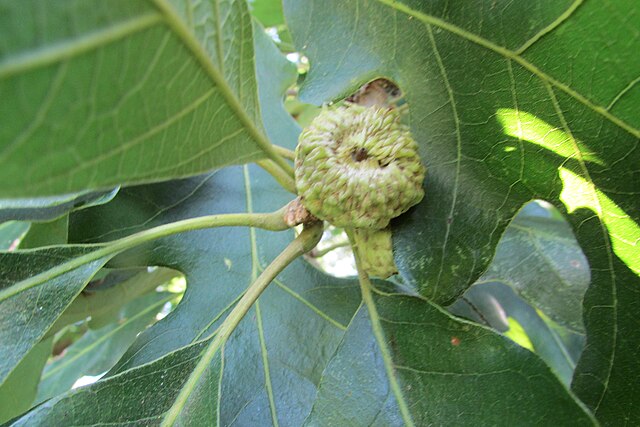
Acorns: The fruit is an acorn, usually borne in pairs on a long, slender stalk (peduncle) 2 to 4 inches long, a key identification feature. Acorns mature in a single growing season and are an important food source for wildlife.
Bark: On young trees and branches, the bark can be flaky and peeling. On mature trunks, it becomes dark gray to brown with deep vertical furrows and broad, flat ridges.
Growth Rate: It has a moderate growth rate, averaging 1 to 2 feet per year, and can live for 300 years or more.
Habitat and Growing Conditions
Native Range: Found across the north-central and northeastern United States and parts of southeastern Canada, often in low-lying areas, stream banks, and floodplains.
Soil and Water: As its name suggests, it is highly tolerant of wet, poorly-drained, and even occasionally flooded soils due to a specialized root system. However, it is also adaptable and can tolerate dry conditions and compacted urban soils once established. It prefers acidic soil; alkaline soils can cause chlorosis (yellowing of leaves).
Uses and Wildlife Value
The wood of the swamp white oak is hard, strong, and durable, commercially valuable and often sold as "white oak" lumber for furniture, cabinets, and flooring.
It is highly valued in landscaping as a large, resilient shade tree for parks, large lawns, and riparian plantings. The acorns are a staple food for many animals, including white-tailed deer, squirrels, wood ducks, and wild turkeys, and the tree supports a wide diversity of insect life, making it a critical part of the local ecosystem.