Alpha Nurseries, Inc.
916-1 Cottonwood-Eastern (Packed In Units of 25 Seedlings)
916-1 Cottonwood-Eastern (Packed In Units of 25 Seedlings)
Couldn't load pickup availability
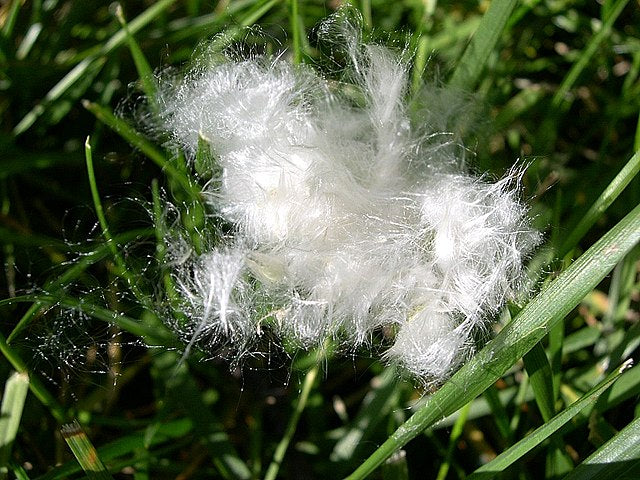
Eastern Cottonwood: (Populus deltoides) is a fast-growing, large tree native to eastern and central North America. It is easily recognizable by its triangular leaves and cottony seeds. This tree thrives in moist soil, typically found near rivers and lakes, making it an essential component of its ecosystem. While it is commercially valuable for products such as plywood and paper, the eastern cottonwood is generally not recommended for urban landscaping due to its weak wood, brittle branches, and invasive root system. In terms of appearance, the eastern cottonwood can grow to be 60-80 feet tall and features a large trunk. Young trees have yellowish-gray, smooth bark, which matures into gray, deeply furrowed bark with age. Its leaves are triangular with toothed edges. The cottonwood is typically found in floodplain forests or wet areas along rivers and lakeshores, although it can adapt to other locations with appropriate care. In spring, it produces abundant "cottony" seeds that drift on the wind, which some may find to be a nuisance. The tree has a lifespan of 70–100 years, but under ideal conditions, it can live for 200–400 years. The eastern cottonwood also has several uses. Commercially, its wood is utilized for plywood, boxes, and pulp for high-grade paper, particularly for magazines. Ecologically, it provides nesting sites for animals such as bald eagles and supports various insect species, which in turn serve as food for birds and mammals. Historically, pioneers valued the tree for its shade and firewood, and its presence often indicated the proximity of a nearby water source. However, there are some issues associated with the eastern cottonwood. Its wood is brittle, making it prone to breakage during storms or icy conditions, which poses a risk when planted near homes. Additionally, the tree has water-seeking roots that can encroach on sewer lines or damage sidewalks. Furthermore, the vast number of cotton-like seeds produced can be messy, making it less suitable for ornamental use in urban environments.