Alpha Nurseries, Inc.
922-1 Dogwood-Red Osier/Twig (Packed In Units of 25 Seedlings)
922-1 Dogwood-Red Osier/Twig (Packed In Units of 25 Seedlings)
Couldn't load pickup availability
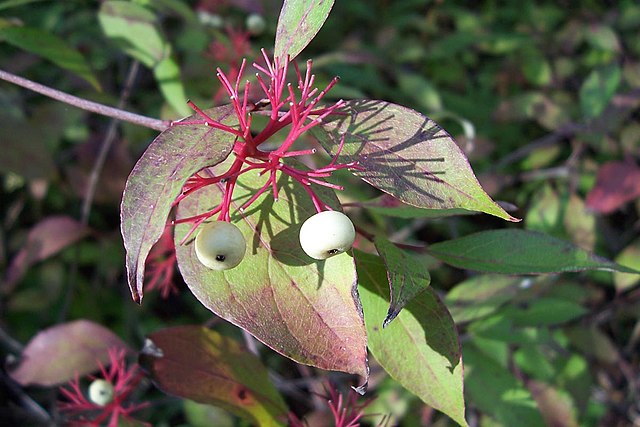
Red Osier Dogwood: AKA Red Twig Dogwood (Cornus stolonifera) is a fast-growing, multi-stemmed shrub known for its year-round ornamental value, particularly its bright red winter stems. It produces white flowers in the spring, white berries in the summer, and its leaves turn golden to red in the fall. The plant is hardy, adaptable, and thrives in full sun to partial shade and moist to wet soils, making it suitable for erosion control, rain gardens, and as a food source for wildlife. The most distinctive feature of the red osier dogwood is its vibrant red stems, which are especially bright on new growth. Clusters of small, white, fragrant flowers bloom in the spring, giving way to white or bluish-white berries in the summer that attract birds. The leaves are medium to dark green during spring and summer, transitioning to shades of orange and red in the fall. This multi-stemmed shrub typically grows 6 to 9 feet tall and can spread 7 to 10 feet wide, although it may reach up to 18 feet in some conditions. In terms of growing conditions and care, red osier dogwood can tolerate both full sun and partial shade. For the best fall color and vibrant winter stems, it is recommended to plant it in a sunny location. The shrub prefers moist to wet soils and can thrive in clay and wet soil conditions. To maintain the striking red stem color, periodic pruning of the stems is suggested to encourage fresh, new growth. The uses and benefits of red osier dogwood are numerous. It provides food and habitat for birds and other wildlife, making it a valuable addition to any landscape. It works well in rain gardens, as a hedge, or for erosion control due to its spreading habit. Additionally, it adds a pop of color to the winter landscape, especially against a snowy backdrop. Traditionally, the inner bark has been used by some Native American groups for smoking mixtures and as a dye, showcasing its historical significance.