Alpha Nurseries, Inc.
934-1 Elm-Slippery (Packed In Units of 25 Seedlings)
934-1 Elm-Slippery (Packed In Units of 25 Seedlings)
Couldn't load pickup availability
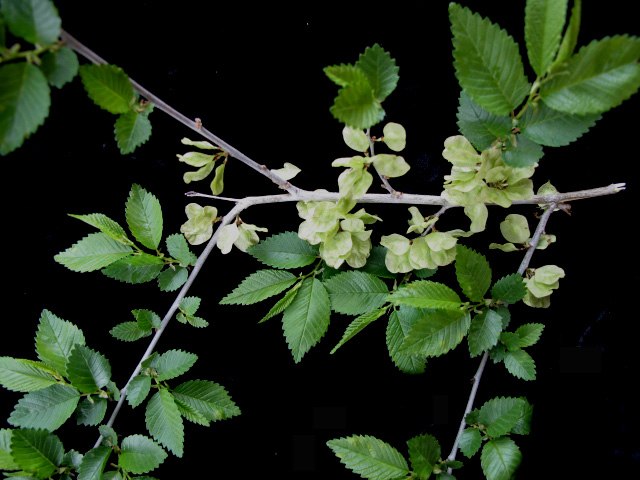
Slippery Elm: (Ulmus rubra) AKA red elm or Indian elm, is a medium-sized deciduous tree native to eastern and central North America. It is named for its inner bark, which produces a slick, gel-like substance called mucilage when mixed with water. Typically, the slippery elm grows to be 40–60 feet tall and features a spreading, open, flat-topped, or vase-shaped crown. The leaves are simple and alternate, measuring 4–8 inches long, with a notably rough or "sandpapery" texture on both the upper and lower surfaces. They have doubly serrated margins and asymmetrical bases. The tree’s bark ranges in color from reddish-brown to gray and exhibits shallow grooves and long, flattened ridges. A cross-section of its inner bark reveals alternating light and dark layers with a reddish hue. While the slippery elm thrives in moist, rich soils along streams and on lower slopes, it can also adapt to dry, rocky uplands. For centuries, the inner bark of slippery elm has been used by Native Americans and early settlers for various practical and medicinal purposes. The primary benefit of slippery elm comes from its mucilage, which provides a soothing, coating effect on irritated tissues. In alternative medicine, it is commonly used as a demulcent to address several conditions, including digestive issues like irritable bowel syndrome (IBS), acid reflux (GERD), heartburn, constipation, and diarrhea. Additionally, slippery elm is a popular ingredient in many over-the-counter lozenges and cough syrups, as the mucilage helps calm sore throats and airways. When prepared as a paste or ointment from the powdered bark, it can be applied topically to minor wounds, burns, and skin ulcers to soothe inflammation and support healing. While slippery elm is classified as "generally recognized as safe" (GRAS) by the FDA, it is important to note that there is limited scientific evidence from human clinical trials to support many of its uses. Supplements are not regulated in the same way as drugs, so consulting a healthcare provider before using slippery elm is advisable—especially for those who are pregnant, breastfeeding, or taking other medications. The mucilage found in slippery elm can slow the absorption of oral medications, so these should be taken at least one hour before or several hours after consuming slippery elm. Historically, the inner bark of slippery elm served as a food source, being edible and utilized during times of famine or to create gruel for children and the elderly. The strong, durable inner bark fibers were woven into items like rope, twine, snowshoe bindings, and mats. The wood of the slippery elm was also used for making furniture and the hubs of wagon wheels, owing to its shock resistance. Interestingly, in the early 20th century, some baseball pitchers chewed slippery elm tablets to generate extra saliva for throwing a "spitball," a practice that was later banned in professional baseball.